

Osaka Travel Guide: Nightlife, Street Food & Easy Transit (2026)
 By Admin
Travel Japan / Cities (Tokyo, Osaka, Kyoto, Sendai)
Osaka has a word for what it does to you: kuidaore. It means "to eat until you drop" — to spend yourself into comfortable ruin through sheer, joyful, unstoppable appetite. It is the city's unofficial motto, its organizing philosophy, and an entirely accurate description of what happens to most visitors within twenty-four hours of arrival.
Related inside
Tokyo impresses. Kyoto moves you. Osaka feeds you, makes you laugh, stays up past midnight with you, and charges you twenty percent less for all of it.
It is also, crucially, the easiest major city in Japan to navigate. A single subway line — the Midosuji, running north to south in red — connects every neighborhood worth visiting. Two stops and you are somewhere completely different. The entire city is yours.
This guide covers the three things Osaka does better than anywhere else on earth: street food, nightlife, and moving around it.
Osaka at a Glance — The Two Cities in One
Osaka divides itself geographically and culturally into two poles that locals call Kita (North) and Minami (South).
Kita is built around Umeda and Osaka Station — the business hub, the department stores stacked twelve floors high, the underground shopping malls that keep you dry in the rain and cool in August, the upmarket restaurants and hotel bars. It is polished, efficient, and very Osaka in its excess of scale.
Minami is everything the other travel guides came to Osaka for. Namba, Dotonbori, Shinsaibashi, Amerikamura — the entertainment heart of the city, the street food district, the izakaya alleys, the nightlife that runs until the trains start again at 5am. This is where you will spend most of your time, eat most of your meals, and make most of your memories.
The Midosuji subway line connects both in eleven minutes. ¥280.
The Neighborhoods Worth Knowing

Dotonbori & Namba — The Heart of Everything
Dotonbori is both the name of the canal and the street running parallel along the waterway, filled with hundreds of street food stalls and busy restaurants. It is considered the main spot in Osaka for kuidaore — eating yourself into financial and physical ruin.
Everything about Dotonbori is deliberately too much. The Glico Running Man billboard has dominated Ebisubashi Bridge since 1935. A three-dimensional mechanical crab the size of a small car rotates above the entrance of Kani Doraku restaurant. Giant octopus, sushi, and ramen signs fight for attention at every angle. At night, all of it reflects in the canal below, doubling the chaos into something that is genuinely, unironically beautiful.
The canal walk takes ten minutes end to end. You will need three hours minimum because something interesting, edible, or photographable blocks your path every thirty seconds.
Behind Dotonbori's main drag, the alleys thin and the character deepens. Hozenji Yokocho — a narrow stone-paved lane flanked by old wooden restaurants, a small mossy temple at its center — is two minutes' walk from the Glico sign and feels like a different century. Inside the alley, you will find many old local restaurants. Enjoy authentic Osaka food here, away from the crowds.
Don't miss: Stand on Ebisubashi Bridge at 8pm on any evening and watch the neon reflections build as the sky darkens. One of the great free spectacles in Japanese tourism.
Shinsaibashi & Amerikamura — Shopping, Youth Culture & The Real Nightlife
One block north of Dotonbori, Shinsaibashi-suji Shopping Arcade runs 600 meters under a covered roof — luxury brands at the south end, fast fashion and drugstores in the middle, and at the northern end, the turn into Amerikamura (America Village).
Amerikamura is Osaka's answer to Tokyo's Harajuku — vintage American clothing stores, skateboard shops, independent streetwear labels, record shops, and the triangle park at its center where Osaka's youth have gathered to people-watch for forty years. The neighborhood runs late, eats cheap, and has better coffee than it has any right to.
The real nightlife is in the narrow alleys branching off Shinsaibashi arcade. You will find tiny bars seating six people maximum, karaoke boxes open until 5am, and izakayas where salarymen are several drinks deep by 8pm.

Shinsekai — Old Osaka, Unchanged
South of Namba, past Tennoji Station, sits Shinsekai — the neighborhood that time forgot and tourists mostly bypass, which makes it essential. Built in 1912 as an amusement district modeled on Paris and New York, Shinsekai's grand plan collapsed with the war and the neighborhood settled into a comfortable, defiant shabbiness that it has never bothered to shake off.
The Tsutenkaku Tower stands at its center — a smaller, older, less glamorous version of Tokyo Tower, beloved precisely because it makes no claims to grandeur. Around it, generations-old kushikatsu restaurants operate from narrow storefronts with handwritten menus and prices that belong to a different decade. The crowds here are locals. The atmosphere is real. The kushikatsu is magnificent.
Don't miss: Kushikatsu Daruma in Shinsekai — the original branch, with the famous angry-face signage, is the correct place to eat kushikatsu for the first time. Order at the counter, dip once only (double-dipping is Osaka's cardinal sin, enforced by a sign in six languages), eat standing up.
Nakazakicho — The Hidden Gem
Nakazakicho is hands-down the favorite neighborhood that guidebooks skip. A ten-minute walk from Osaka Station, but it feels like a different era. Buildings are low, streets are narrow, and time stopped somewhere in the 1970s. This bohemian pocket has vintage stores, jazz cafes, small art gallery spaces, and record shops that have been there for decades.
Visit on a weekday afternoon. Buy a coffee from one of the narrow-fronted cafés, sit outside if there is a chair, and watch Osaka's creative class go about its day. No tour groups. No crowds. Just a very good neighborhood doing exactly what it has always done.
The Street Food — What to Eat and Where
Osaka's food identity is the strongest of any Japanese city. These five dishes are not optional.
Takoyaki — The Non-Negotiable
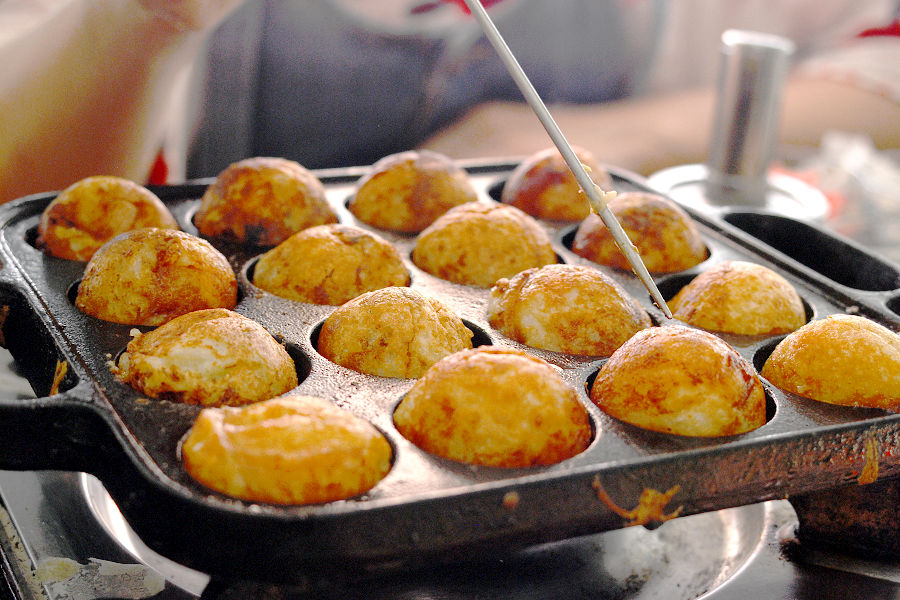
Arguably the most famous street food in Japan, takoyaki's history is rooted in Osaka. Batter poured into a cast-iron mold, a piece of octopus dropped in each cavity, flipped repeatedly with metal picks until perfectly spherical and golden — crispy shell, molten interior, finished with takoyaki sauce, Japanese mayonnaise, and bonito flakes that wave in the heat like they are alive.
Every block in Dotonbori has a takoyaki stall. The quality difference between a good one and a mediocre one is enormous and immediately obvious. Takoyaki Wanaka in Dotonbori — family-run, no gimmicks, queue of locals — is the benchmark. Eat them too hot, burn your mouth, do it again immediately.
Price: ¥500–¥700 for six pieces. Worth every yen.
Okonomiyaki — Osaka's Soul Food
Savory batter pancake loaded with shredded cabbage, your choice of toppings (pork belly, seafood, cheese, kimchi), grilled on an iron plate, finished with okonomiyaki sauce, mayonnaise, and bonito flakes. In Osaka it is made mixing-style (batter and fillings combined before cooking) — distinct from Hiroshima's layered version. Both are correct. Osaka's is messier and more satisfying.
Chibo in Dotonbori has served their Dotonboriyaki — an oversized version packed with pork, shrimp, squid, cheese, and beef tendon — from this address for decades. There is often a queue. It moves quickly.
For a more local experience, the streets north of Namba Station around Sennichimae have small okonomiyaki shops that have been feeding salarymen lunch since the 1960s. No English menus. Point at the photo on the wall. You will not go wrong.
Kushikatsu — The One Rule You Must Know
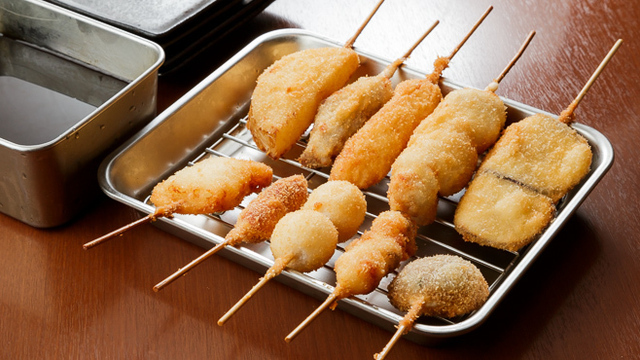
Ingredients like meat, vegetables, eggs and even cheese are skewered, battered and fried to crispy goodness. Served alongside a tangy tonkatsu sauce, they are a delicious indulgence and pair perfectly with beer or sake.
The rule: the communal dipping sauce is shared between all customers. You dip once. You eat. You never, under any circumstances, dip a half-eaten skewer back into the sauce. This is Osaka's most vigorously enforced social contract, displayed on signs in every kushikatsu restaurant in multiple languages. Obey it.
Order a mix — pork, shrimp, lotus root, asparagus, mochi, quail egg. Each skewer costs ¥120–¥200. Order a beer. Order more skewers. This is the correct approach.
Kuromon Market — Osaka's Kitchen, Morning Edition
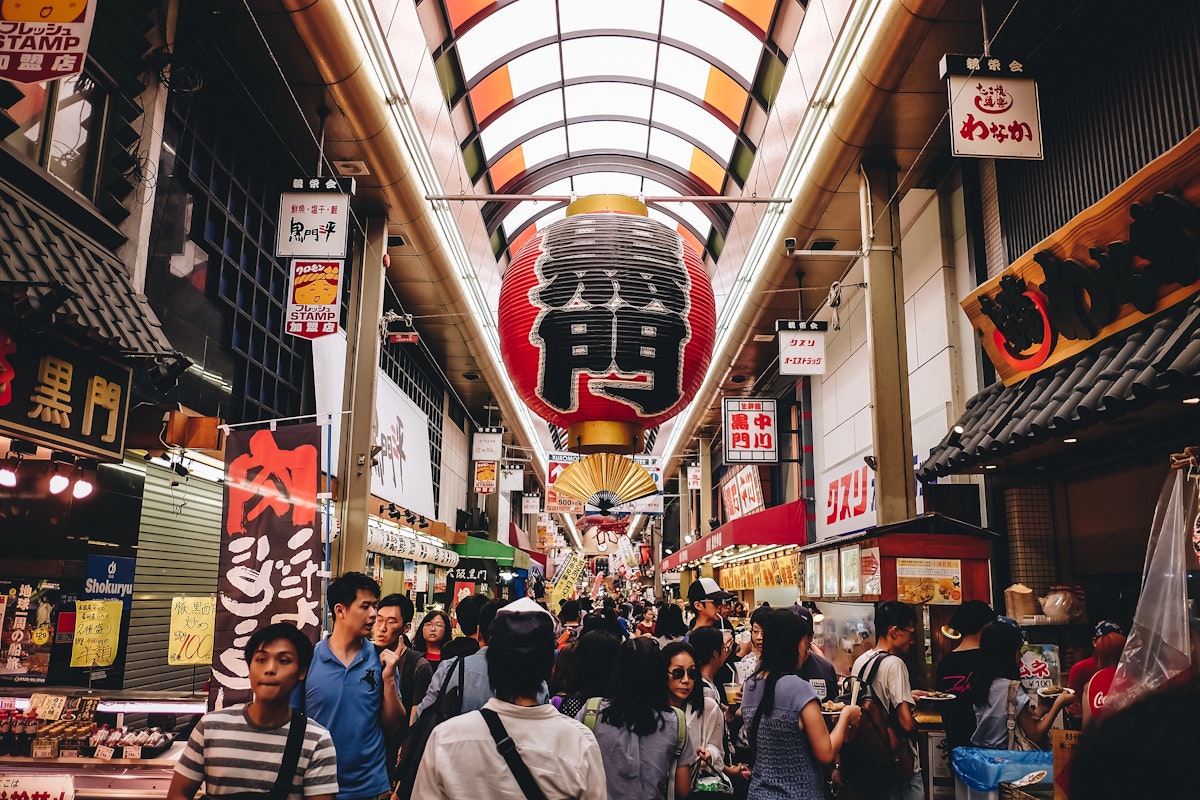
Another extraordinary street food epicenter nearby is the Kuromon Ichiba Fish Market. If you love fresh seafood, Kuromon Ichiba is the place for you.
A 580-meter covered market with 170 stalls selling fresh tuna, live crab, oysters from Hiroshima, sea urchin, grilled scallops, and every piece of Osaka's seafood obsession in concentrated form. Visit before 10am when the produce is freshest and the market is working rather than performing for tourists. Buy grilled oysters from a standing stall. Eat fresh maguro (tuna) sashimi at 9am without apology — this is entirely normal here.
Osaka After Dark — The Nightlife
Osaka's nightlife is not Tokyo's club scene. It is something older, more democratic, more specifically Japanese — built on izakayas, standing bars, karaoke rooms, and the deep Osaka belief that any evening that ends before midnight was abandoned prematurely.
The Izakaya Route Through Namba
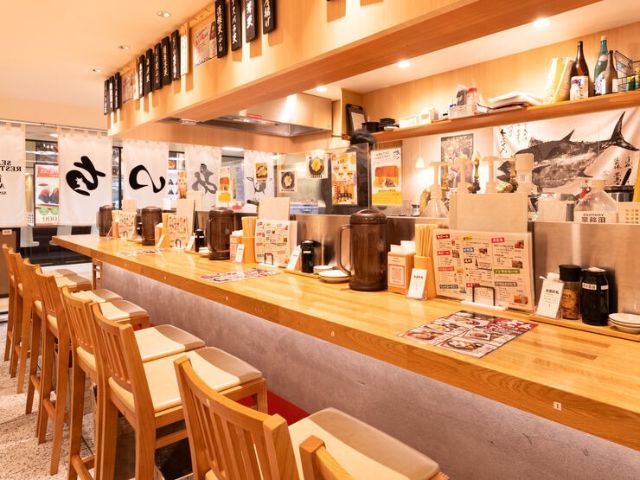
The best Osaka nights are not planned — they are assembled one izakaya at a time, following noise and smoke and the particular warmth of a room where everyone is comfortable. That said, the geography helps.
Start at Hozenji Yokocho — one drink at any of the old wooden bars lining the lantern-lit alley. Then move north into the Dotonbori back streets, where the tourist restaurants give way to smaller, genuinely local izakayas with handwritten menus and counter seating for eight.
The Namba area spreads from Dotonbori and gets more local the further you walk. Za-Ura, an area north of Nankai Namba Station, has over 200 restaurants and bars offering Osaka nightlife at reasonable prices with unique proprietors and distinctive dishes.
The standing bar format: Many of Osaka's best drinking spots are tachinomi (standing drinking) bars — no stools, elbow-to-elbow, beer and yakitori and conversation in tight proximity. They are cheap (¥400–¥600 per drink), lively, and the fastest way to accidentally end up talking to locals who will recommend the next place to go.
Karaoke — Take It Seriously
Osaka's karaoke culture is enthusiastic to a degree that Tokyo's does not match. Private rooms are everywhere in Namba and Shinsaibashi from ¥500–¥800 per person per hour with unlimited drink packages. Karaoke boxes open until 5am mean this is a viable late-night option after the izakaya circuit. Go in a group, order the drink package, and commit fully. This is not a joke.
Last Train Reality Check
Most train lines from Osaka Station run from approximately 11:30pm to 12:30am. First trains start around 5am. If you miss the last train, options are taxi (Namba to Umeda is typically ¥2,000–¥3,000), limited night buses, or an overnight karaoke room.
Download the Osaka Metro app before your first evening out. It shows last train times per line in real time. The Midosuji line's last train south from Umeda runs around midnight. Check it. Act accordingly.
Getting Around Osaka — The Easy Part

Osaka is the easiest major Japanese city to navigate. Where Tokyo's rail network requires understanding overlapping JR and private lines across fifteen different operators, Osaka's Midosuji Line does the heavy lifting alone.
The Midosuji Line — Learn One Line, Go Everywhere
The Midosuji subway line runs north to south through the city in red, connecting every major point of interest with clinical efficiency:
Station | What's Here |
|---|---|
Umeda | Osaka Station, Kita, department stores, Umeda Sky Building |
Shinsaibashi | Shopping arcade, Amerikamura, nightlife alleys |
Namba | Dotonbori, street food, izakayas, Nankai Line to Kansai Airport |
Daikokucho | Transfer point for Yotsubashi Line |
Tennoji | Shinsekai access, Tennoji Zoo, southern Osaka |
Every journey between these stations costs ¥230–¥280 and takes 4–8 minutes. The entire Kita-to-Minami spine of the city — Umeda to Namba — is eleven minutes and ¥280.
The IC Card Setup (Do This First)
Buy an ICOCA or load a Suica (from Tokyo) at any station ticket machine. Tap in, tap out — covers every subway line, JR train, and most buses in Osaka. Also works at convenience stores, vending machines, and most station kiosks.
One-day pass: The Osaka 1-Day Pass (¥820) covers unlimited rides on all Osaka Metro lines and includes free admission or discounts at major attractions including the Umeda Sky Building and Osaka Aquarium. On a full sightseeing day making four or more trips, it pays for itself immediately.
Getting to and From Kansai Airport (KIX)
Cheapest: JR Kansai Airport Line to Osaka Station via Hineno transfer — approximately ¥1,210, about 70 minutes.
Fastest: Nankai Rapi:t express from Kansai Airport directly to Namba Station — ¥1,490, 38 minutes. Sleek, reserved seating, arrives at the center of Minami rather than Kita. For most visitors staying near Dotonbori, this is the correct choice.
From Shin-Osaka Station (Shinkansen): Midosuji Line direct from Shin-Osaka to Namba takes 13 minutes, ¥280. No taxi needed.
Day Trips by Train
Osaka's position in the Kansai region makes it the best base for regional day trips:
Destination | Train | Journey Time | Cost |
|---|---|---|---|
Kyoto | JR Shinkaisoku from Osaka Station | 14–28 min | ¥580 |
Nara | Kintetsu from Namba Station | 36 min | ¥680 |
Kobe | JR Shinkaisoku from Osaka Station | 20 min | ¥420 |
Hiroshima | Shinkansen from Shin-Osaka | 55 min | ¥9,870 |
Kyoto and Nara are the essential day trips. Both are shorter journeys from Osaka than many Tokyo subway commutes — the round trip to Kyoto costs ¥1,160 and takes less time than getting from Tokyo Station to Hachioji.
Practical Osaka
Language: Osaka-ben (Osaka dialect) is noticeably different from standard Japanese — warmer, faster, funnier. Locals will respond with enthusiasm if you attempt even basic Japanese. Maido (casual greeting, used like "hey there") used correctly in a local bar will earn immediate approval.
Cash: Carry ¥10,000–¥15,000 daily. Street food is almost entirely cash. Small izakayas are frequently cash-only. 7-Eleven ATMs work reliably with international cards.
Cost vs Tokyo: Osaka costs 15–25% less than Tokyo for accommodation, dining, and local experiences in 2026. Restaurant meals cost ¥800–¥1,500 in Osaka compared to Tokyo's ¥1,200–¥2,000 for equivalent quality. Your budget goes further here.
How many days: Two days covers the essentials — Dotonbori, Shinsekai, a day trip to Nara or Kyoto. Three days lets you breathe — add Kuromon Market mornings, Nakazakicho afternoons, and a proper izakaya evening that runs as late as it wants to.
Best time to visit: March–May and October–November. Osaka in August is brutally hot and humid. December–February is manageable, often sunny, and dramatically less crowded at the tourist sites.
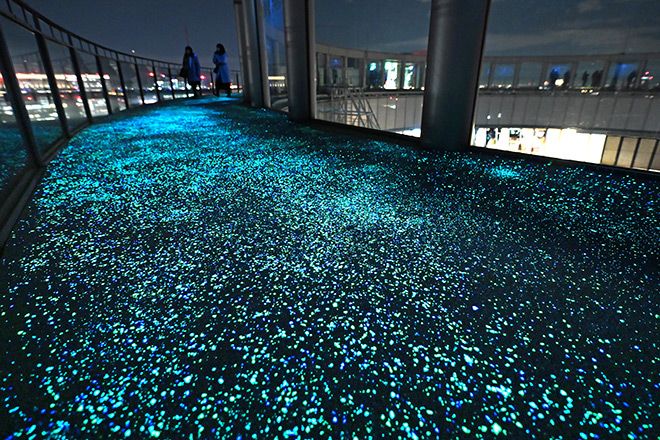
Osaka does not pretend to be refined. It pretends to be exactly what it is — the most enthusiastically food-obsessed, warm, loud, genuinely fun city in Japan — and delivers on that promise without effort or apology. Show up hungry. Stay late. Eat more than you planned. That is the correct Osaka experience.
Staying in Osaka? Read our complete Japan hotel guide for the best hotels in Namba, Shinsaibashi, and Umeda — at every budget from ¥5,000 capsule hotels to the Conrad Osaka — with direct booking links.
Read next
Kyoto Travel Guide: Temples, Seasonal Foliage & Culture (2026)
Continue with a related guide to keep your reading momentum.
Comments
No approved comments yet.