

Japanese New Year Decorations: Traditions, Meaning, and Customs
 By Admin
Food & Culture / Festivals
In Japan, the New Year (Shōgatsu – 正月) is the most important holiday of the year. Unlike countries where celebrations focus mainly on parties and fireworks, the Japanese New Year is marked by rituals, symbolic decorations, and careful preparation designed to invite good fortune, health, and prosperity.
Related inside
From homes and offices to shops and public spaces, decorations reflect centuries-old customs blending Shinto beliefs, seasonal aesthetics, and cultural symbolism.
New Year Decorations in Japanese Homes
Kadomatsu (門松)

Placed at the entrance of homes and buildings, kadomatsu are arrangements made of pine branches, bamboo stalks, and plum blossoms. These decorations welcome Toshigami, the Shinto deity of the New Year, believed to bring blessings and a good harvest.
Pine: Longevity
Bamboo: Growth and resilience
Plum blossoms: Renewal
Timing: Typically set up after Christmas and removed around January 7.
Shimenawa and Shimekazari (しめ縄・しめ飾り)
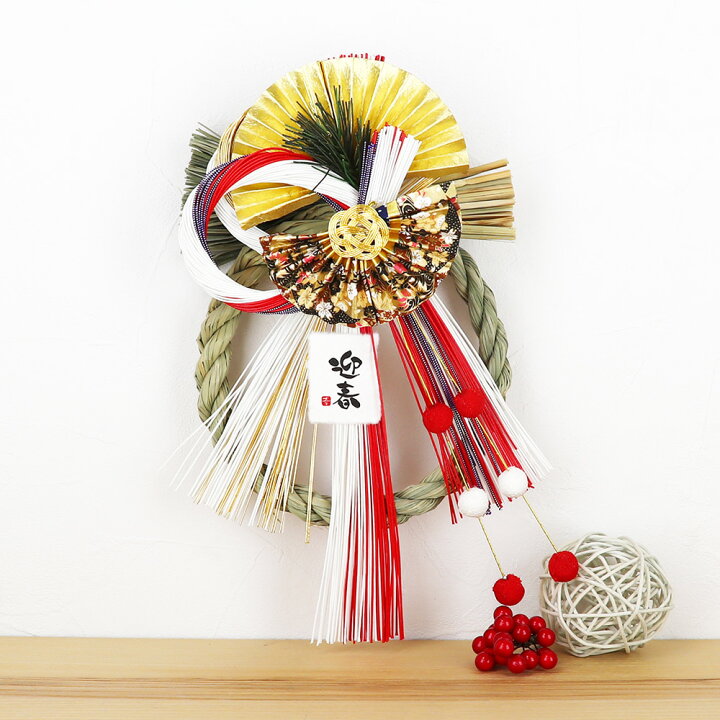
Shimenawa are sacred straw ropes hung above doors to ward off evil spirits and mark purified spaces. Shimekazari are decorative versions, often adorned with oranges (daidai), rice straw, paper strips, and fern leaves.
Signify protection, continuity, and prosperity
Displayed on doors, gates, and entrances throughout the New Year period
Kagami Mochi (鏡餅)

Kagami mochi are traditional rice cake arrangements placed indoors, usually on an altar or shelf. They consist of two round rice cakes stacked with a bitter orange (daidai) on top.
Round shape: Harmony
Stacked design: Passing of years
After the New Year, the mochi is eaten in a ritual called kagami biraki, symbolizing renewal and continuity.
How Businesses Prepare for the New Year
Decorations at Stores and Offices
Japanese businesses embrace New Year preparations to invite prosperity and signal fresh starts. Typical decorations include:
Kadomatsu at entrances
Shimenawa at doors and counters

Red and white ornaments, symbolizing celebration and purity
These decorations communicate respect for tradition while expressing hope for business success in the coming year.
Cleaning and Renewal (Ōsōji)
Before the New Year, homes and workplaces conduct ōsōji, or “big cleaning.” This ritual is both practical and symbolic, removing bad luck and negative energy accumulated over the past year.
Offices are reorganized
Desks and storefronts are refreshed
Reinforces starting the year with a clean slate
New Year Greetings and Signage
Businesses often post New Year greeting signs or display traditional calligraphy wishing customers health, happiness, and success. Some shops also announce their hatsubai (first sale) dates, a major commercial event in early January.
Why These Traditions Matter
Japanese New Year customs emphasize mindfulness, gratitude, and harmony. Decorations are not just for aesthetics—they help:
Align with nature and seasonal rhythms
Express gratitude for the past year
Invite positive energy and prosperity for the year ahead
These practices also strengthen community bonds, as neighborhoods and families participate together, passing traditions across generations.
Conclusion
From bamboo arrangements at doorways to stacked rice cakes indoors, Japanese New Year decorations reflect a culture that values preparation, spiritual balance, and harmony.
Whether at a private home or a corporate office, these customs embody a shared wish: to welcome the New Year with respect, optimism, and renewal.
For visitors and residents alike, witnessing these decorations offers a unique insight into Japan’s cultural heart during the most important season of the year.
Comments
No approved comments yet.